Persistent foamy urine may occasionally indicate excess protein in the urine and should be evaluated if it continues.
Factors That Can Affect Urine Color
Several everyday factors influence urine appearance:
- Hydration level
- Foods and beverages
- Vitamins and supplements
- Prescription medications
- Exercise
- Certain medical conditions
Temporary changes are common and often resolve without treatment.
When Should You See a Doctor?
Seek medical advice if you notice:
- Blood in your urine
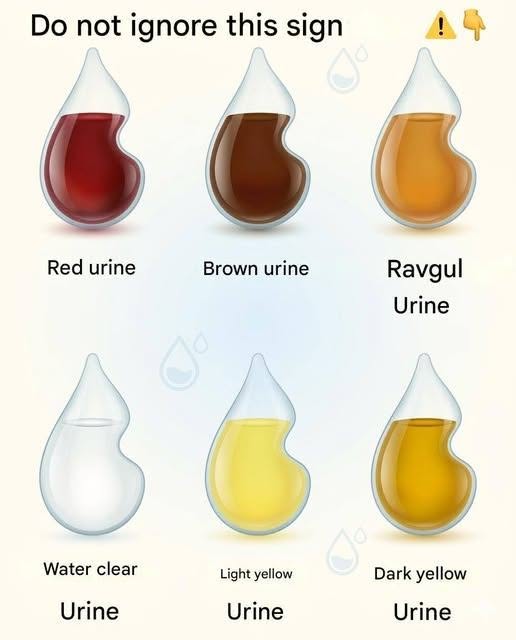
- Persistent dark, brown, or orange urine
- Painful urination
- Fever with urinary symptoms
- Strong-smelling urine accompanied by discomfort
- Persistent cloudy urine
- Changes that last several days without an obvious cause
Prompt evaluation can help identify any underlying issues early.
The Bottom Line
Urine color can offer useful insights into your hydration and overall health. Pale yellow usually reflects good hydration, while darker shades often suggest it’s time to drink more fluids. Other colors may be related to foods, medications, or, in some cases, underlying medical conditions.
Monitoring changes in urine color is a simple way to stay aware of your body’s signals. If unusual colors persist or are accompanied by pain, blood, fever, or other concerning symptoms, consult a healthcare professional for proper evaluation and guidance.