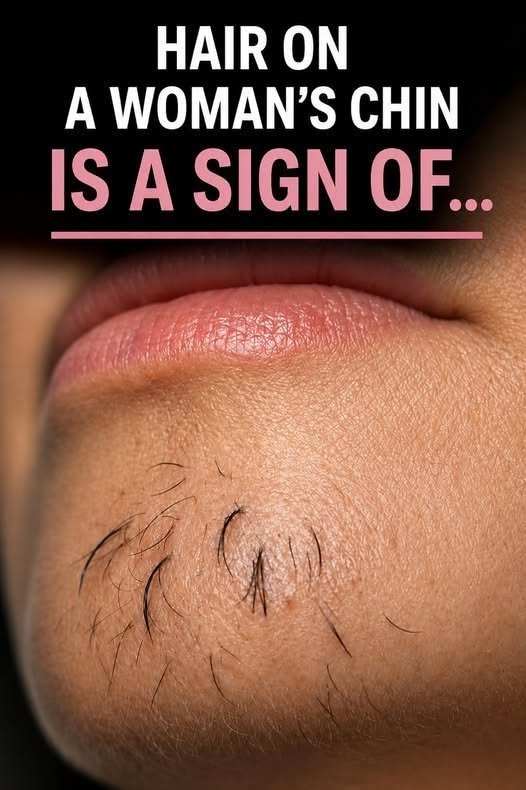
To understand why chin hair develops, it is essential to first comprehend the basic biology of human hair growth. Hair follicles undergo distinct cycles and respond dynamically to chemical signals within the body.
1. Vellus Hair
Often called “peach fuzz,” vellus hair is short, fine, soft, and minimally pigmented. Its primary function is to protect the skin and assist in thermal regulation. Every individual possesses millions of these microscopic follicles across their face and body.
2. Terminal Hair
Terminal hair is the opposite of vellus hair: it is long, thick, dark, and deeply rooted. This is the type of hair found on the scalp, in the axillary regions, and pubic areas. Under certain conditions, vellus hair follicles on the face can be stimulated to transition into terminal hair follicles. Once a follicle makes this transition, it permanently alters its structure, meaning it will continue to produce thick hair until the follicle itself is targeted or destroyed.