What your lifestyle and diet reveal through the lunula
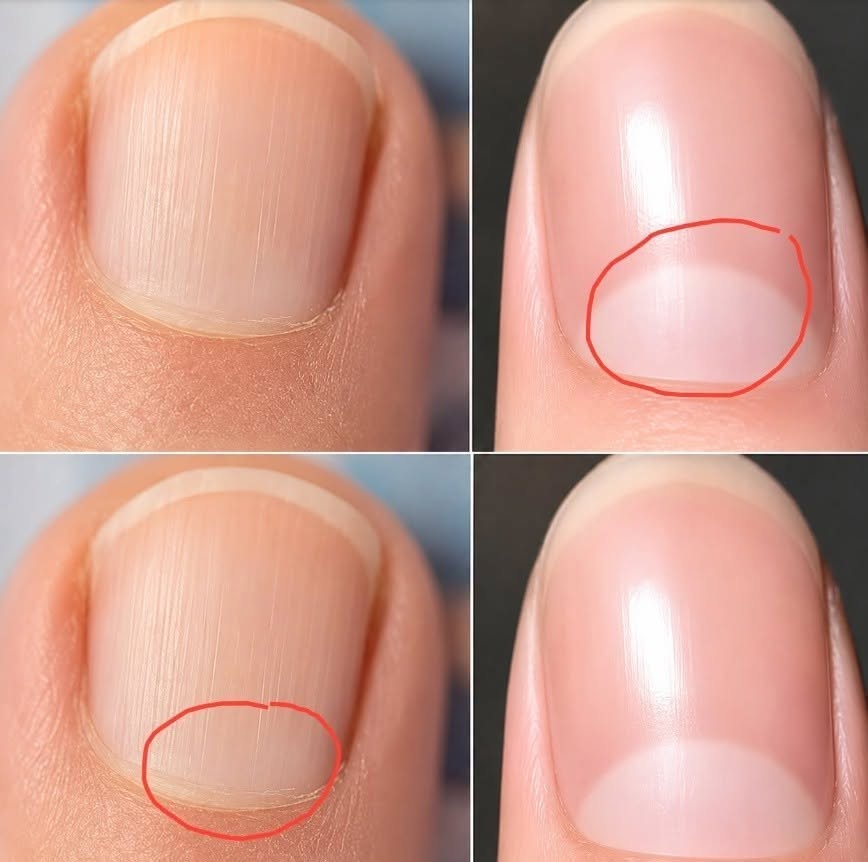
Our nails reflect our lifestyle. A clear and stable lunula often indicates a balanced diet, rich in protein, iron, zinc, and B vitamins. Conversely, overly restrictive diets, repeated fasting, or a poorly balanced vegan diet can lead to the gradual disappearance of the lunula.
Chronic stress, meanwhile, slows nail growth and disrupts the overall appearance of the lunula. Periods marked by hormonal fluctuations—whether postpartum, menopause, or heavy treatments like chemotherapy—also lead to weakened nails, often characterized by ridges, and a loss of definition in the lunula.
A good habit is to take a moment each month, in natural light, to examine your nails. While this doesn’t replace a full medical examination, it can sometimes help detect subtle changes early, before more obvious symptoms appear.

In what cases should you seek urgent medical attention?
A sudden change in the color of the lunula, its complete disappearance, or an unusual deformation—especially if these signs are accompanied by marked fatigue, brittle nails, a pale complexion, or difficulty breathing—requires prompt consultation with a healthcare professional. A simple blood test can then be performed to clarify the situation.
People with endocrine disorders, heart disease, or diabetes will benefit from incorporating regular nail observation into their routine medical follow-up.
In case of doubt, dermatologists and podiatrists are perfectly qualified to examine nails from a global, preventive perspective and without excessive alarmism.
Ultimately, the lunula is not a substitute for a medical examination or blood test, but it can provide valuable initial clues. The key is to observe it over the long term and not give in to anxiety at the slightest change. If it seems to reveal something to you, take the time to listen to it calmly.