Pexels
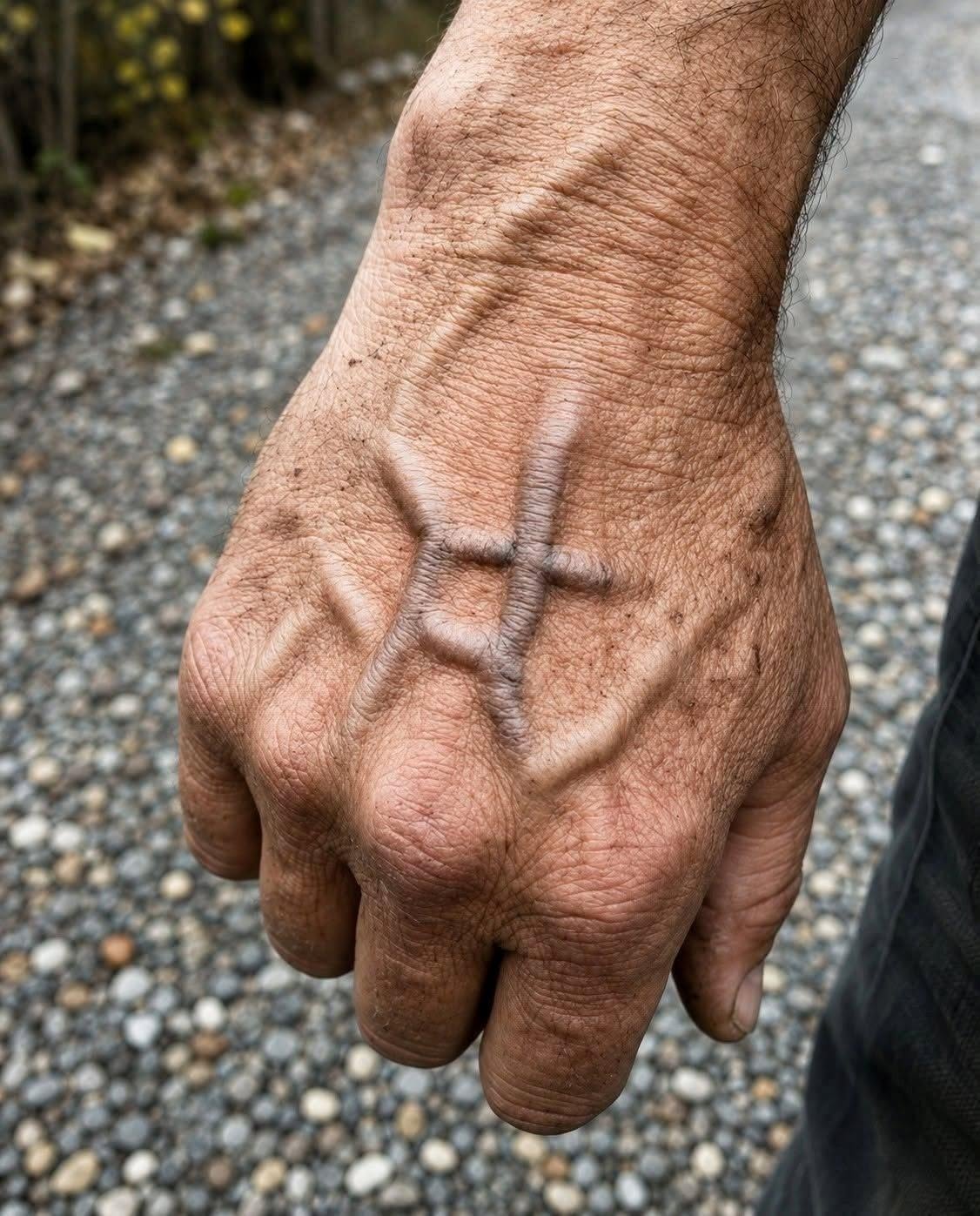
Several elements increase the likelihood of bulging veins. Natural aging thins and weakens vein walls, meaning older adults often develop more visible veins. Hormonal changes — including pregnancy, menopause, or birth control use — may also weaken vein structure. Spending long hours sitting or standing limits blood flow and raises pressure in the leg veins, increasing the risk as well.
Spotting the Symptoms of Varicose Veins
Pexels
While spider veins are typically harmless, varicose veins — their larger, more pronounced counterpart — require greater attention. These enlarged, twisting veins often come with discomfort instead of just visible change. Many patients describe aching or heaviness in the legs, or even burning sensations. Long periods spent sitting or standing can make the legs feel exhausted or cramped. Swelling is common around the ankles and lower legs. Some people also experience itching, irritation, or skin darkening that shifts from brown to reddish tones. Symptoms generally worsen as the day goes on, but elevating the legs or resting usually brings relief.
Risk Factors That Increase Bulging Veins
Pexels
Certain people face a higher chance of developing bulging veins throughout life. Genetics strongly influence vein strength, meaning family history plays a major role. Research also shows women are twice as likely as men to develop varicose veins, mainly due to hormonal fluctuations. Being overweight adds stress to leg veins, narrowing the space blood has to move through. Age remains one of the most powerful factors — by 50, almost 40% of women and 20% of men experience significant vein-related issues.
Possible Complications of Untreated Bulging Veins