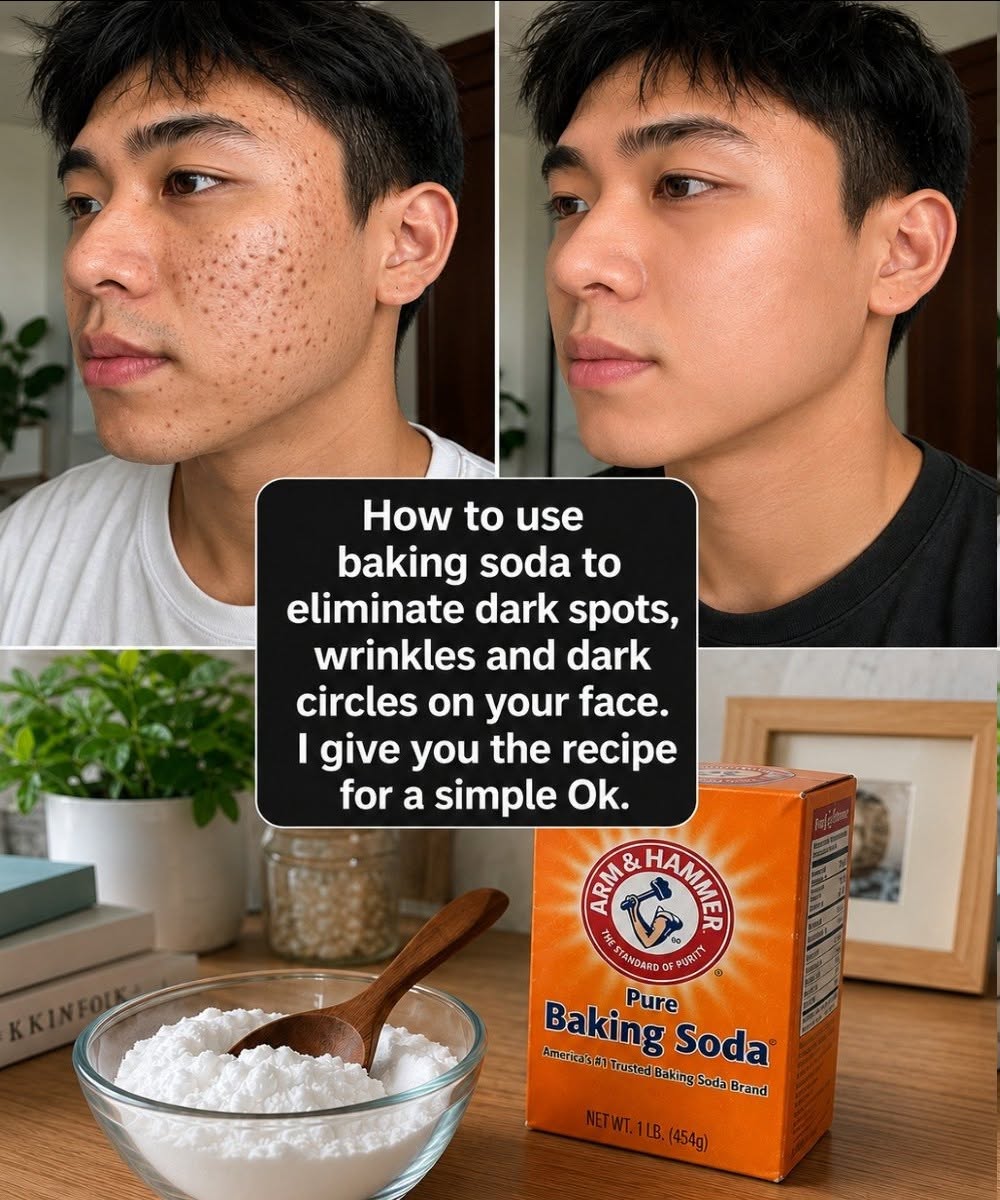
In a world of high-end serums and complicated routines, baking soda feels like a breath of fresh air. It’s cheap, easy to find in every pantry, and has been buzzing in beauty communities as a natural way to refresh tired-looking skin. If you’re battling oily patches, minor breakouts, or lackluster tone that no moisturizer seems to fix, the idea of using something so basic is appealing. But that’s not all. Many swear by its gentle exfoliating power for that instant “just polished” feel. Yet, as promising as it sounds, understanding the science behind it is the key to avoiding disappointment — or worse, irritated skin.
The Science Behind Baking Soda and Skin
Baking soda, or sodium bicarbonate, is naturally alkaline with a pH around 8 to 9. Your skin, on the other hand, thrives in a slightly acidic environment — typically between 4.5 and 5.5 — which helps maintain its protective barrier. When you apply baking soda directly, it can temporarily shift that delicate balance. Research indicates this mismatch may affect how well your skin holds onto moisture and fights off irritants. At the same time, its mildly gritty texture acts as a physical exfoliant, helping slough away dead skin cells. But here’s where it gets interesting: while some people notice a brighter appearance after occasional use, the same properties that make it effective can also lead to trouble if overdone.Potential Benefits of Baking Soda on Your Face
Many users report real improvements when they use baking soda thoughtfully. Some of the most talked-about perks include:
- Gentle exfoliation — It can help remove dull, dead skin for a smoother, more radiant look.
- Oil absorption — Those with oily or combination skin often notice fewer shiny patches after a light application.
- Mild antibacterial support — Studies suggest baking soda has properties that may reduce bacteria on the skin’s surface, potentially supporting a clearer-looking complexion.
These effects can make your skin feel refreshed and look healthier in the short term, especially if you’re tired of products that don’t deliver. But remember, these are user-reported benefits — results vary, and they work best as an occasional addition to your routine rather than a daily staple.
The Risks You Need to Know Before Trying It
Here’s the part that’s often overlooked in viral videos: baking soda isn’t as harmless as it seems for facial skin. Its high alkalinity can disrupt your skin’s natural pH, leading to dryness, redness, or even increased sensitivity over time. The gritty particles may cause tiny micro-abrasions, especially on delicate facial areas, making skin feel tight or reactive. In some cases, it can strip away protective oils, leaving you more prone to irritation or breakouts. Dermatologists frequently caution that while baking soda may feel effective at first, regular use can weaken the skin barrier and cause more problems than it solves. If your skin is already sensitive, dry, or prone to conditions like eczema, it’s especially important to proceed with caution.
But that’s not the full picture. Many experts emphasize that the risks are highest with overuse or undiluted application — which is exactly why safe methods matter so much.
If you decide to give it a try, moderation is everything. Limit use to no more than once a week, always dilute it, and listen closely to how your skin responds. Here are three gentle, popular approaches that many find easier on the skin: