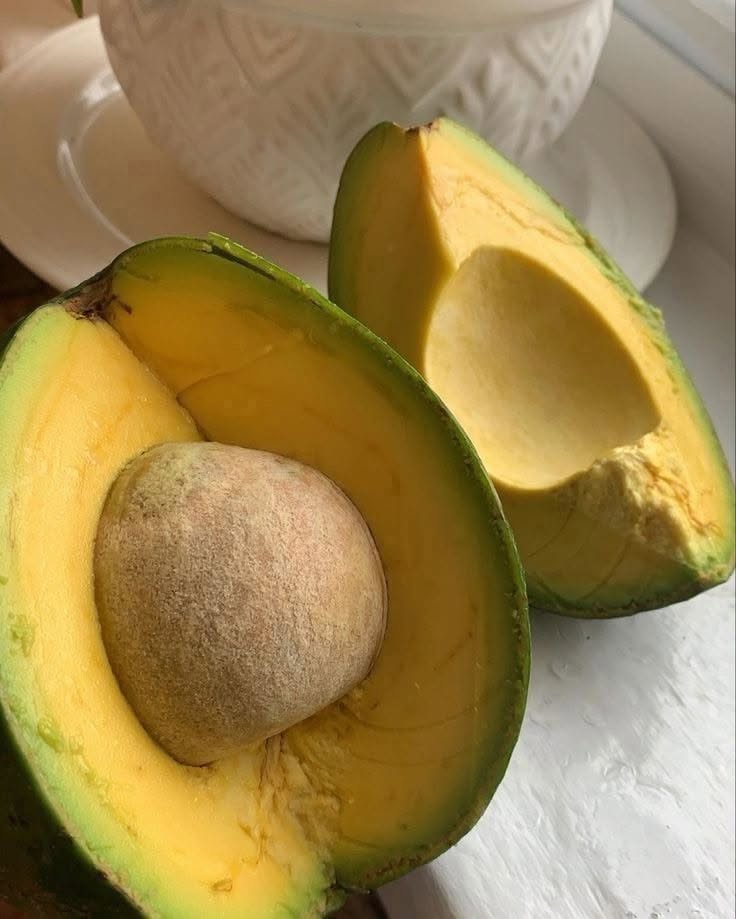
Avocados provide vitamin E, vitamin C, carotenoids, and unsaturated fats that contribute to normal skin health.
However, eating avocado does not erase wrinkles, remove blemishes, or replace sunscreen and medical skincare.
Skin appearance is influenced by sun exposure, aging, genetics, smoking, hydration, sleep, medical conditions, and skincare habits.
Avocados and Eye Health
Avocados contain carotenoids such as lutein and zeaxanthin.
These compounds are also found in leafy green vegetables and are associated with normal eye health.
Avocado can contribute to an eye-supportive diet, but it cannot prevent every age-related eye condition or replace regular eye examinations.
Avocados and Inflammation
Avocados contain unsaturated fats and plant compounds that fit well within dietary patterns associated with lower chronic inflammation.
It is more accurate to describe avocado as one component of an anti-inflammatory eating pattern than as a food that directly “switches off” inflammation.
Vegetables, fruit, whole grains, legumes, nuts, seeds, fish, physical activity, sleep, and smoking avoidance are also important.
Can Avocados Improve Circulation?
A diet rich in unsaturated fats, potassium, fiber, and minimally processed foods can support overall cardiovascular health.
Avocado may contribute to that pattern, but it should not be presented as a direct treatment for poor circulation, fragile capillaries, unexplained bruising, or visible veins.
New or unexplained purple marks on the skin may be related to minor injury, aging skin, medication effects, platelet problems, or other conditions.